Skip to content


A landlord of a commercial property may not prioritise how to manage it when it is vacant, but this scenario does present some challenges in terms of financial, legal and safety management. First and foremost, you won’t be receiving rental income when a property is vacant, but whether it is offices, a retail store, a warehouse or an industrial building, vacant properties can present a number of hidden costs which you need to be aware of, and for which you need to prepare a management plan.
Why vacant buildings become high-risk assets
A commercial property can become vacant for a several reasons. The business can cease trading, but more commonly the property is awaiting a new tenant or awaiting sale. Whatever the reason for it being vacant, a property that is left empty is vulnerable due to a lack of daily activity, i.e. people using the building and carrying out their normal duties. Without people using the building every day, problems often go unnoticed. Security risks increase, while maintenance issues such as leaks, burst pipes or structural deterioration may not be discovered until they’ve become costly repairs. This means a vacant property becomes an insurance and legal liability risk, in addition to the costs of security and health and safety management.
What are the common costs associated with vacant properties?
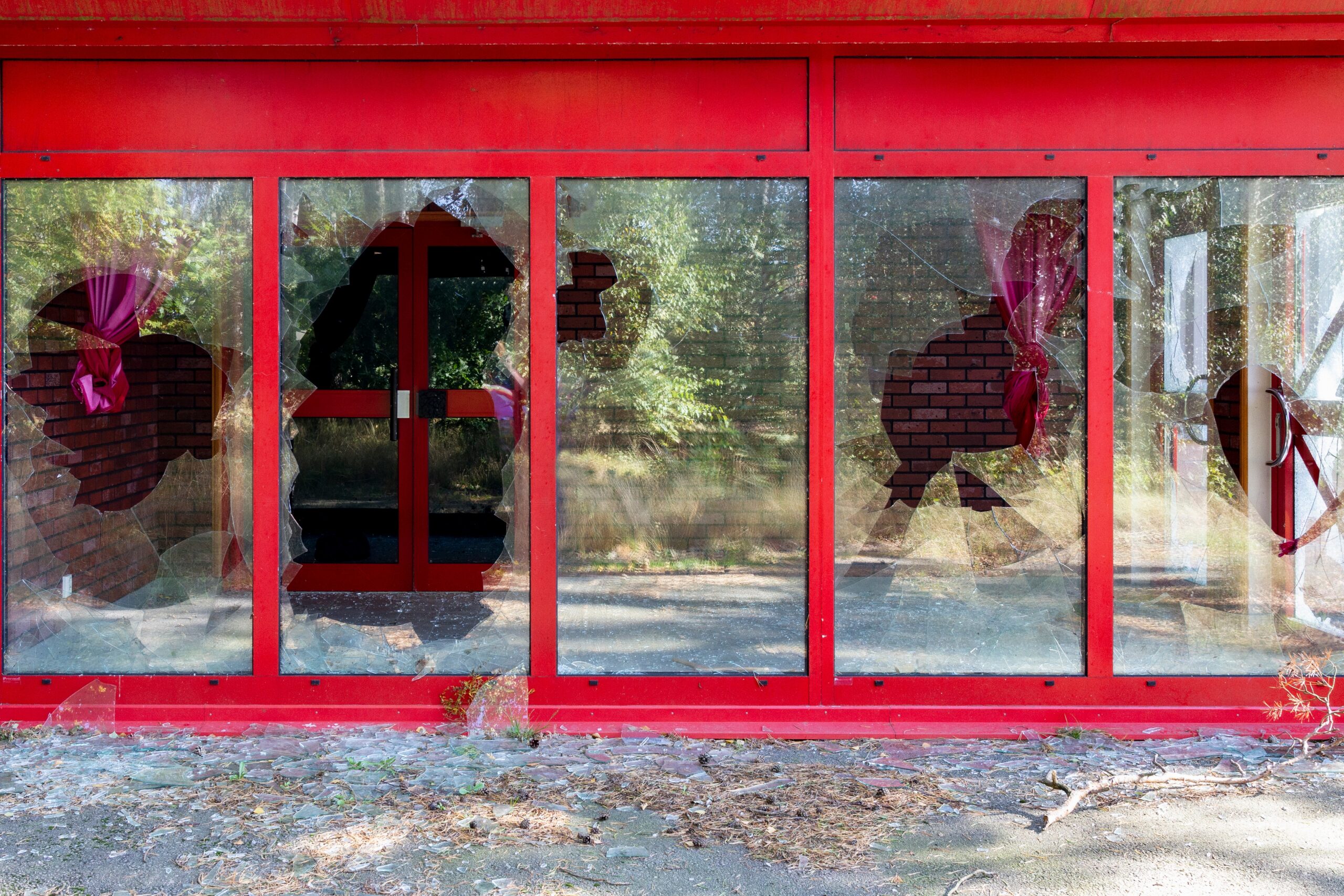
The most common causes of security risk with a vacant property are the threat of theft, vandalism and arson. A vacant property is exposed to these risks because nobody is present in the building to detect or prevent security issues, and local people begin to notice that a property is empty, meaning it becomes even more appealing to somebody with criminal intent. An empty property may still have product, materials, tools, equipment and machinery in it, while the structure of a building also carries some value in terms of roof slates, copper piping and cabling.
If there is no routine monitoring of a commercial building this can lead to minor maintenance issues, such as burst pipes, water leaks and electrical issues not being detected, and which can lead to bigger problems such as flooding or fire. An empty building is also a more obvious target for arsonists.
The hidden costs of a vacant property
There are several costs associated with managing a vacant property which may not be immediately obvious. These include:
- Insurance – A vacant property is usually classed as high risk by insurers because of the reduction in normal routines and monitoring which can lead to the issues detailed above. A policy will carry extra premium costs if a property is likely to be left unoccupied, and this needs to be considered and budgeted for. Furthermore, if your insurer is not notified of a period of unoccupancy, this could render the policy void. It is also important to note that in most cases, a landlord is still liable for injuries to trespassers or emergency services workers, even if the property is vacant and not being used. Insurers often impose additional conditions for vacant properties, such as regular inspections or the installation of security systems and solutions specific to vacant properties. It is important that a landlord notifies insurers when a property becomes vacant and factors this into the policy if it is likely to be a regular occurrence.
- Security – Property owners should notify their insurer as soon as a building becomes vacant. This helps ensure appropriate cover remains in place and avoids the risk of policy conditions being breached. As mentioned above, an insurance company may even insist on this. Common solutions include security guarding, perimeter fencing, temporary CCTV systems, intruder detection and drone surveys. It is important to identify all the risks and to have plans to address them with a comprehensive solution. Regular inspections fall into this category to maintain compliance monitoring, but also to compensate for the lack of daily activities. Regular inspections can include surveys of the whole interior and exterior of the building which otherwise would be seen by people using the building. Remote monitoring can also survey the property on a 24/7 basis.
- Utilities – Although the building is unoccupied, it may still need heating. The property needs to be maintained to allow for the fact it may need to be reoccupied at short notice, you may also have product or materials stored there which can be damaged by cold or damp conditions. There will still be an element of utilities cost involved in a vacant property, as well as possible maintenance costs for HVAC and plumbing systems, to prevent damage, deterioration and costly repairs at a later date.
- Public relations – Another important hidden cost of managing a vacant property is public relations. This relates to the reputational damage to a business in terms of how it looks to the public and the market and how this could affect the brand and immediate sales turnover. A vacant property that is damaged, deteriorating, being vandalised and being neglected reflects badly on the business and can impact on its commercial standing going forwards.
How to proactively manage the costs of a vacant property
A single security breach of a vacant property can be costly in terms of insurance premiums and can potentially lead to claims in terms of public liability. If a high-profile theft, arson or trespass incident becomes public knowledge, this can also impact on the standing and profile of the business. It is therefore important to install security solutions which have addressed the specific security risks of the vacant property. A site risk assessment should identify these and common solutions include:
- Vacant property inspections – Personalised and regular audits of a vacant property to monitor for internal and external issues, whole site perimeter checks, utilities, health and safety issues, signs of structural damage, infestations and security incidents. This maintains a professional monitoring service for the duration of the building’s unoccupancy.
- Suitable security solutions – There are many possible security solutions for a vacant property, but these need to be appropriate to the risks presented by the building. For example, temporary CCTV is ideal in a large property with multiple buildings, areas and zones, but manned security guards may be better where there needs to be a physical presence or where visible deterrence is important.
Working with a specialist vacant property security services provider such as First Response Group can help you identify site-specific risks and implement practical measures to protect your assets, maintain compliance and support future occupation. We work with landlords, managing agents and property owners to develop tailored vacant property management plans that protect assets, reduce risk and support long-term property value. From vacant property inspections and temporary CCTV to manned guarding and remote monitoring, our solutions are designed around the specific needs of your site.
If you are responsible for a vacant commercial property, speak to our team to discuss how we can help keep your property secure, compliant and ready for its next phase of occupation.

Article By: