Skip to content

The UK’s transition towards clean energy is accelerating, with solar farms playing an increasingly important role in meeting national energy security and net-zero ambitions. As investment in large-scale solar infrastructure continues to grow, however, so too does the need to protect these valuable assets from organised theft, damage and disruption.
For many years, solar farms were viewed primarily as remote energy generation sites. Today, they represent an increasingly important component of the UK’s energy infrastructure, making them an attractive target for organised criminal groups, opportunistic theft and acts of vandalism.
This growing challenge has recently been recognised through the publication of the Secured by Design Solar Farm Guide, produced through collaboration between policing, government and the renewable energy sector. The guidance reflects a significant shift in thinking. Solar farm security is no longer simply about protecting equipment; it is about safeguarding operational resilience, maintaining energy generation capacity and protecting assets that have become strategically important to the UK’s future energy mix.
Why Solar Farms Are Increasingly Attractive to Criminal Activity
As solar developments become larger and more technologically advanced, the potential rewards for criminal activity increase. At the same time, the scale and location of many solar farms can also create particular challenges for site protection and response.
Security threats facing operators can include:
- Theft of valuable materials and components, particularly copper cabling. With copper prices reaching record highs, renewable energy infrastructure has become an increasingly attractive target.
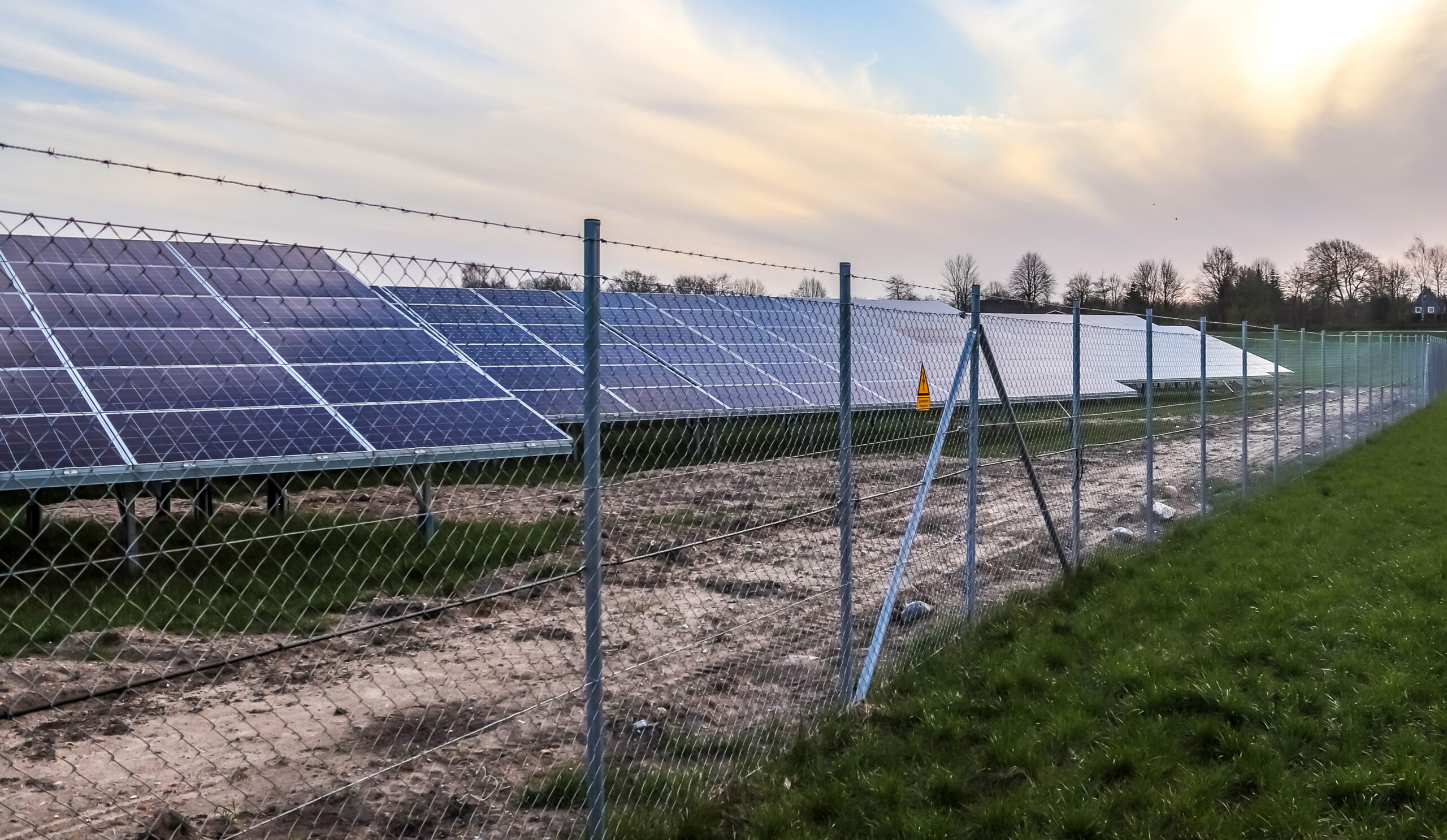
- Trespass and unauthorised access, which can result in damage to fencing, equipment and electrical infrastructure.
- Vandalism and malicious damage that can compromise operational efficiency and create significant safety concerns.
- Operational disruption caused by theft, damage or system interference that results in downtime, lost revenue and potential contractual penalties.
As a result, demand for specialist solar farm security solutions continues to grow across both new developments and established energy assets.
What the New Solar Farm Security Guidance Means for Operators
The publication of the new Secured by Design guidance marks an important milestone for the renewable energy sector.
Produced by Police Crime Prevention Initiatives (Police CPI) in partnership with the National Infrastructure Crime Reduction Partnership (NICRP), the guidance provides a comprehensive framework for securing solar farms throughout their lifecycle, from planning and design through to construction, operation and ongoing maintenance.
Perhaps the most significant message within the guidance is that security should no longer be viewed as a standalone consideration or a final-stage addition to a project. Instead, it should form part of a wider risk management strategy from the earliest stages of development.
At the heart of the approach is a documented Crime-Risk Analysis, used to identify credible threats, assess vulnerabilities and determine measures proportionate to the individual site.
This means considering security implications when making decisions about site layout, perimeter protection, access routes, surveillance coverage and operational processes. By adopting a proactive approach, operators can reduce vulnerabilities before they become costly problems.
This approach is particularly relevant given the UK’s ambition to significantly expand solar generation capacity as part of its Clean Power 2030 Action Plan. As more renewable energy assets are developed across the country, effective security will become an increasingly important component of long-term operational resilience.
Security Starts During Construction
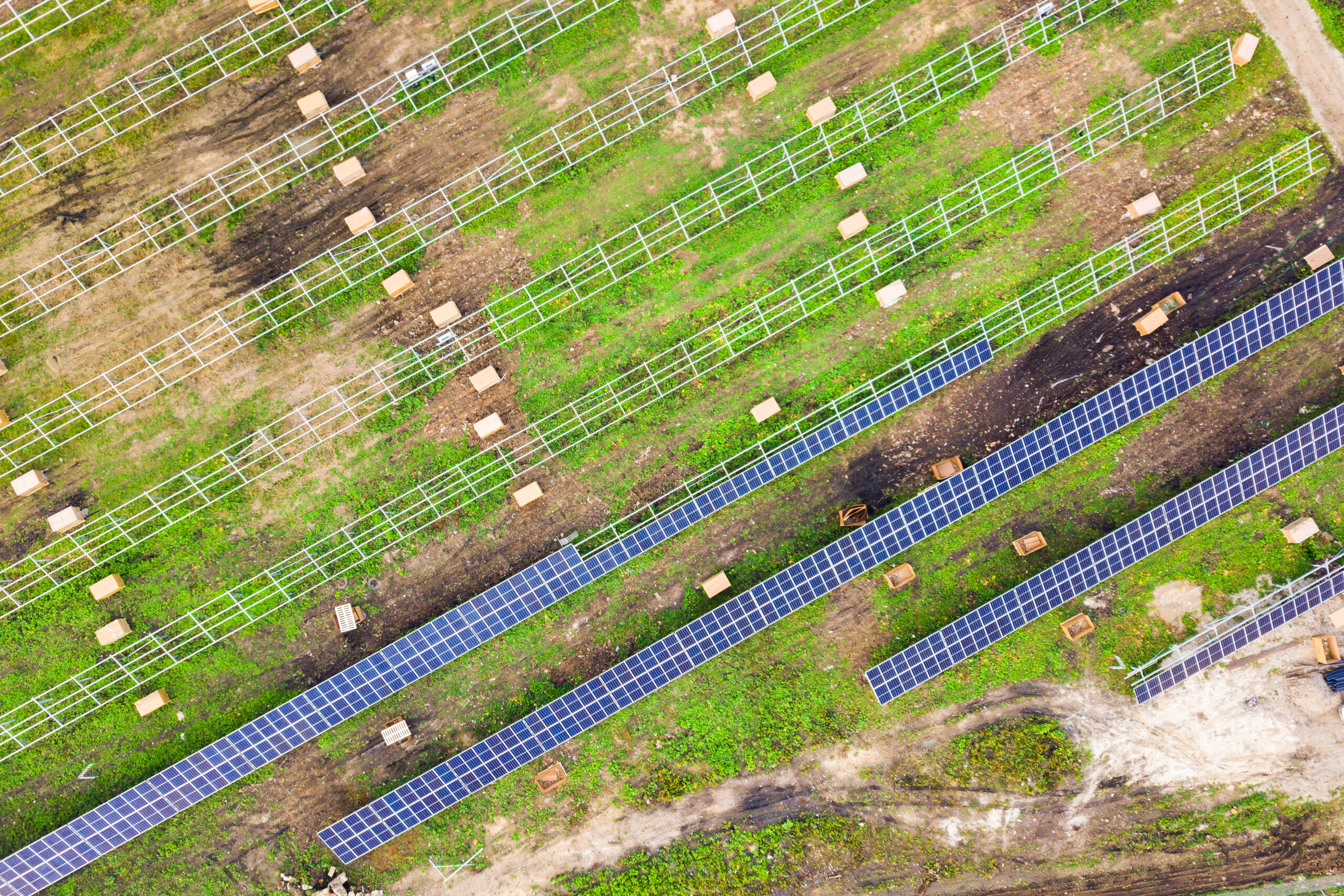
Security planning should not begin when a solar farm becomes operational. The Secured by Design Solar Farm Guide identifies the construction phase as a period of particular vulnerability, when high-value equipment, cabling, materials and fuel may already be on site before permanent security measures are fully in place.
The guidance recommends that security is planned from the outset and maintained throughout construction. Measures can include secure storage for equipment and cabling, controlled access points, monitored video surveillance and intruder alarms, appropriate lighting and secure perimeter protection. Mobile surveillance towers can also be used to provide temporary coverage as the site develops.
On-site guarding may also be appropriate during periods of increased risk, including where high-value assets are being stored or during critical stages of installation. As with the wider security strategy, the measures used should be proportionate to the individual risk profile of the development.
For developers and operators, this means construction security should form part of the wider project security strategy rather than being treated as a temporary consideration. Security arrangements need to evolve with the development, from the arrival and storage of materials through commissioning and into long-term operation.
The True Cost of Poor Solar Farm Security
When security incidents occur, the consequences often extend far beyond the immediate value of stolen or damaged assets.
Operators may face the direct costs of replacing equipment and repairing infrastructure, but there are often wider financial and operational impacts, including:
- Revenue losses caused by disrupted energy generation.
- Potential contractual liabilities associated with generation shortfalls
- Increased insurance claims and rising premiums.
- Regulatory and compliance challenges.
- Reputational damage.
- Potential public liability risks associated with site intrusions.
In an increasingly competitive energy market, even relatively minor incidents can have significant commercial implications. Effective solar infrastructure protection should therefore be viewed as an investment in business continuity rather than simply a security expenditure.
Three Questions Every Solar Farm Developer Should be Asking
Is Our Security Strategy Keeping Pace with the Value of the Asset?
As solar developments grow and their operational profile changes, their security arrangements need to be reviewed against the evolving risk. Criminals are becoming more targeted and organised in their approach, particularly when high-value materials and critical infrastructure are involved.
Operators should regularly assess whether their existing security arrangements remain aligned with the current value and risk profile of their sites.
Are We Designing Out Risk Before Construction Begins?
One of the strongest themes within the new guidance is the importance of early-stage security planning.
Security measures are often most effective when incorporated during design and construction, rather than being retrofitted after operations have commenced. Considering access management, perimeter protection and surveillance requirements at the outset can deliver both security and operational benefits in the long term.
Can We Detect and Respond to Threats in Real Time?
Detection without response has limited value.
Modern security strategies increasingly focus on combining technology, monitoring and physical intervention to identify threats early and take action before significant disruption occurs. The ability to verify incidents quickly and coordinate an effective response can help reduce both operational and financial impact.
Building a Layered Security Strategy
The Secured by Design Solar Farm Guide recommends a layered approach to security, with measures selected according to the risks identified for each individual site. Rather than relying on a single technology or physical control, the aim is to create multiple layers of protection that work together.
The guidance sets out four layers:
- Outer environment – considering approach routes, parking, signage and vehicle access to reduce opportunities for unauthorised approach.
- Perimeter security – using appropriate boundary treatments, gates, lighting, surveillance and access control to deter, detect and delay intrusion.
- Internal compounds and assets – protecting higher-value or more vulnerable equipment, including PV infrastructure, cabling, storage areas and associated buildings.
- Operational security – ensuring physical and electronic measures are supported by effective management, maintenance, monitoring, incident response and regular review.
The strength of this approach is that each layer supports the next. A fence may delay entry, for example, but its effectiveness is increased when it is supported by intrusion detection, monitored surveillance and a defined response process.
The guide is also clear that these measures should be proportionate to the assessed risk. Factors including location, accessibility, local crime history, asset value, operational criticality, response capability and site supervision should inform the level of protection required.
For operators, this means the right question is not simply “Which security products do we need?” but “How do our physical, electronic and operational controls work together to deter, detect, delay and respond to an incident?”
At First Response Group, our role is to help clients assess those risks and bring the appropriate layers together, combining physical security, technology, monitoring and response around the requirements of the individual site.
Looking Ahead: Security as a Strategic Asset
The publication of the Secured by Design Solar Farm Guide represents more than a new set of recommendations. It reflects the growing importance of taking a structured, risk-based approach to protecting renewable energy infrastructure.
As solar capacity expands in support of the UK’s clean energy ambitions, operators who embed security into planning, construction and day-to-day operations will be best positioned to protect revenue, maintain continuity and safeguard long-term asset value.
At First Response Group, we work with clients to develop tailored, risk-led security solutions that address the unique challenges facing renewable energy infrastructure. Through detailed site assessments, integrated technology and professional security services, we help organisations protect their investments and strengthen resilience across their operations.
To learn more about our specialist solar farm security solutions, speak to our team today.

Article By: