Skip to content


It’s easy to think a vacant property poses fewer problems for a business and a facilities manager, but that can be a costly mistake. While a vacant commercial property may have fewer people and fewer valuables, it can still attract serious safety, security and maintenance issues. The risks presented by a vacant property might be very different to those presented by an occupied and functioning commercial building, but without proactive management, these risks can quickly escalate into damage, liability and financial loss.
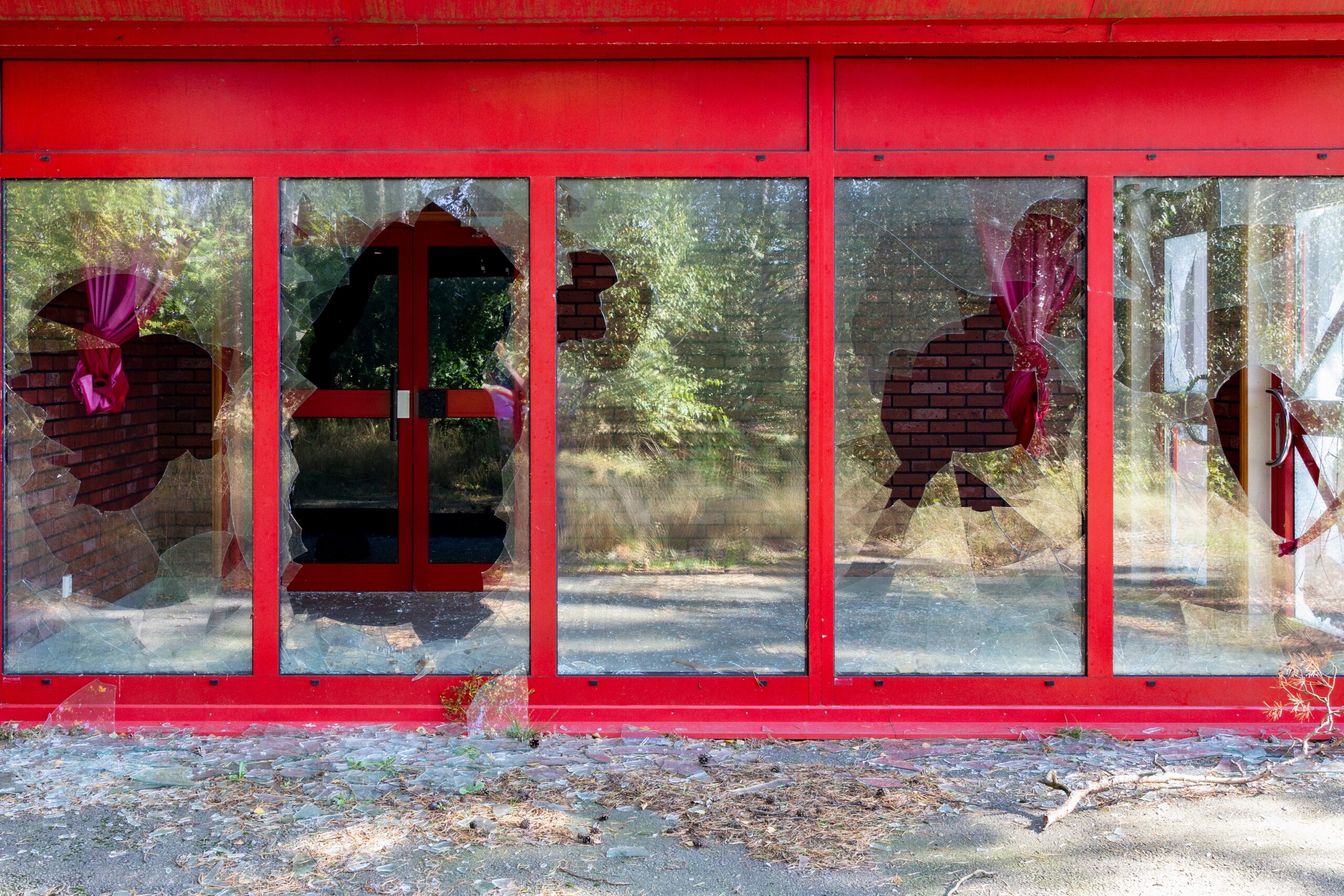
To a business or property owner, leaving a commercial building empty for a prolonged period may feel like a reduced burden and one less thing to manage and worry about, but to other people this will very quickly feel like an opportunity. And this opportunity becomes even more attractive the longer the building is left unoccupied. Without proper care and attention and a robust vacant property management plan, an empty building will soon deteriorate, fall into disrepair and become an eyesore, and this is where it becomes a playground for people intent on trespass, unauthorised encampment, vandalism, nuisance and theft.
How A Vacant Property Can Deteriorate
The main factor that accelerates the deterioration of a vacant property is neglect. Without regular maintenance or on-site presence, small issues can rapidly escalate. For example, if someone forces entry into the building there is no one to spot this and to re-secure the door properly. This leaves this point of access open for anyone to use at any time and is an open invite for criminal activity and anti-social behaviour.
Neglect also leads to external features deteriorating, such as signs and paintwork, weeds growing, broken windows not being repaired. This shows the outside world that no one is caring for the property and no one is inspecting it or keeping an eye on it. Again, this is an open invitation to trespassers. A lack of general building maintenance also leads to damage caused by weather conditions, such as broken pipework, guttering or roof tiles not being repaired. This is all in addition to the possibility that the building may not even have been left in a safe condition when it first became vacant. And this all leads to a number of additional safety and security risks.
The Extra Risks Presented By A Vacant Property
The potential neglect and lack of maintenance in a vacant building can lead to security risks and the following dangers for people entering it:
- Poor visibility and lighting
- Unstable floors and walkways
- Sharp debris and obstacles
- Sharp debris and broken glass
- Structural or roof damage
- Exposed or loose wiring
- Discarded tools and machinery
- Accumulated rubbish or combustible materials
- Unsanitary conditions and pest infestation
A business owner is still liable for the health and safety of those entering the building and insurance requirements around the upkeep of the structure, and therefore must ensure these hazards are managed and, where possible, risks prevented. A vacant site can also invite unauthorised access or encampment, fly-tipping and arson, all of which increase safety, environmental and insurance risks. There is also an enhanced risk of environmental incidents if pipework or materials are leaking or drains are blocked and no one is monitoring this.
What You Can Do To Safeguard The Security And Safety Of A Vacant Property
To manage a vacant property effectively it should be treated with the same care and attention as an occupied one. There can be many reasons why a building is vacant. Sometimes this is because a business has ceased trading and there is no imminent prospect of another business occupying the building. But in this scenario the business owner still has a duty to look after the building and have systems in place to ensure it is appealing and suitable for a quick sale or lease. In other cases, a building may be vacant because it is for sale, is awaiting a sale going through or it is between leases and a new tenant will be taking over shortly. In all these situations the building owner needs to maintain the safety and security of the building, and guard against the many hazards presented by a vacant building.
A thorough vacant property management plan should include:
- Routine patrols and inspections to detect issues early
- Health and safety checks to ensure compliance and reduce liability
- Utility management – including draining water systems and isolating gas and electric supplies
- Building maintenance to prevent deterioration and maintain value
- Erecting barriers, fences and shutters to secure perimeters and access points
- Temporary CCTV and alarm systems for continuous monitoring
- Key holder and alarm response systems for rapid incident management
- Perimeter detection systems for early intrusion alerts
- Clearance and cleaning of the site to maintain a professional appearance
Combining these measures into a tailored a vacant property management plan to suit your specific property will ensure full coverage and confidence that your site is protected 24/7. A thorough risk assessment of the site should highlight individual safety and security needs and which controls from this above list would be suitable and effective.
First Response Group For Professional Vacant Property Solutions
At First Response Group we have vast experience of managing vacant property security and safety across many different industry sectors including commercial real estate, construction, retail and logistics. We can carry out risk assessments of your site and design and implement a suitable vacant property management plan to ensure risks are controlled and the safety and security of your building is prioritised. Our approach combines industry expertise with the latest security technology to provide real-time assurance and transparency. So contact our team today to arrange a site assessment or to learn more about our fast and effective vacant property management.

Article By:
Head of Risk Management