Skip to content


There are a number of different ways in which a property can become vacant and remain vacant for a significant length of time. This is where a commercial asset can become a burden and much more of a security threat than a building that is occupied. Commercial buildings can be vacant as the business is on a shutdown period, or it has ceased trading. Many commercial buildings will be empty as they have come to the end of a tenancy and are either waiting for a new tenant or waiting to be sold. While these scenarios are very common, with £1.3 billion of non-domestic rate relief granted to empty premises in 2024-25, it doesn’t make the security issues any easier to manage.
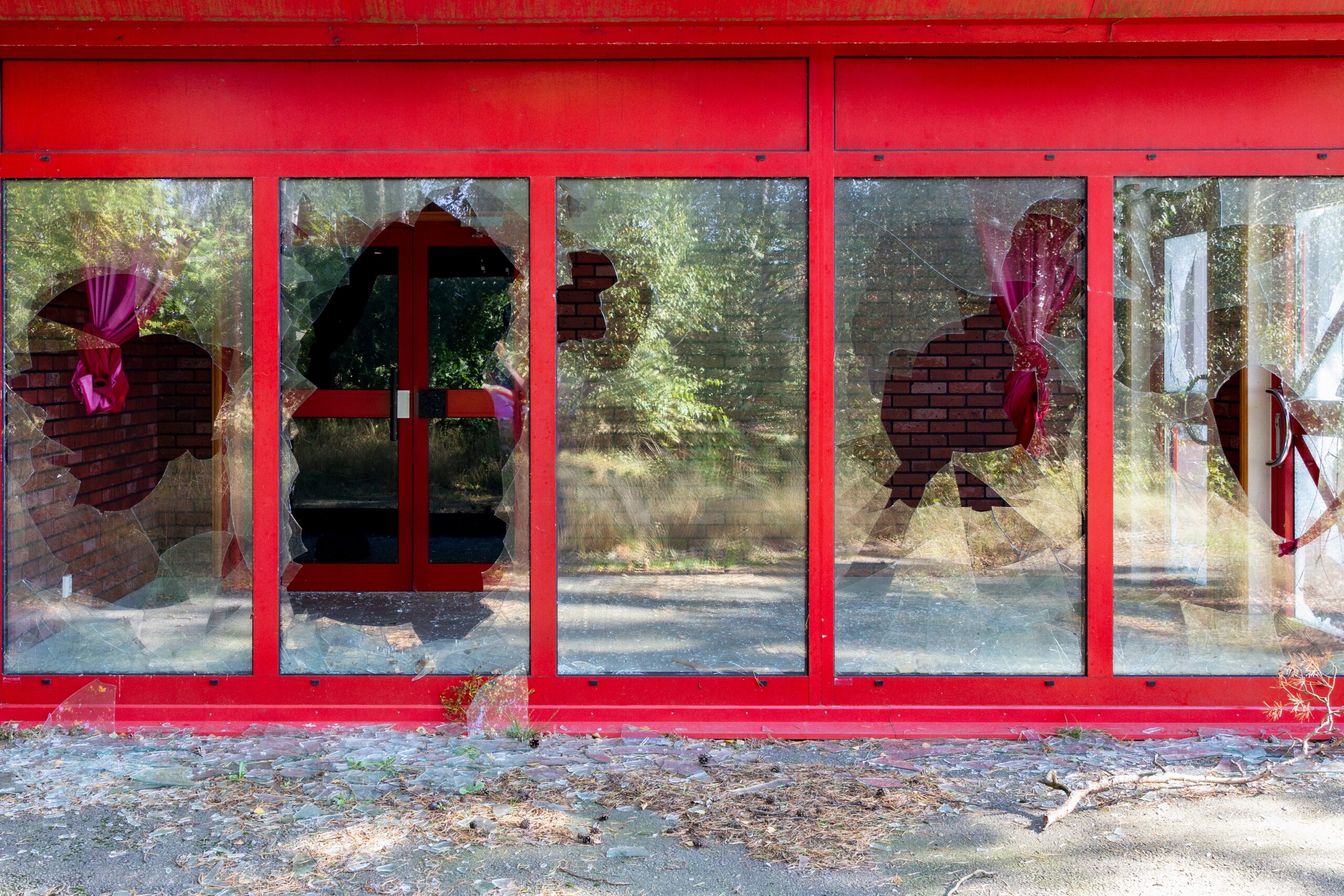
Vacant properties are a security vulnerability when there is no one present to look after the building and the normal signs of trading, everyday routines and general occupation aren’t there. For a serious criminal these are easy signs to spot, and it soon becomes clear when a building is unoccupied for any length of time, making it very attractive to someone intent on criminal activity. In addition, the lack of everyday maintenance, health and safety checks could soon lead to the fabric of the building deteriorating, with the building owner left exposed to the risk of vandals, theft, trespass, nuisance and unauthorised occupation.
How to keep a vacant property secure by using a blended security approach
A building owner needs to keep a vacant property secure in order to help maintain it in good condition. In most cases they need the property to retain a status where it can be reoccupied by a new tenant quickly or sold quickly. Where a business has temporarily ceased trading, circumstances may lead to it operating again. For those who close over a long holiday period, a vacant property needs to be managed properly with specialist security controls for when the business reopens. Here are six security measures you can combine and implement as part of a blended approach to managing security in a vacant property:
- CCTV – Temporary CCTV systems are easy to install and can enable you to monitor the site remotely. You can capture excellent high definition footage and have evidence of security incidents should they happen. If you strategically locate cameras, you can secure critical footage of people approaching or entering the building. Signage also acts as a useful deterrent to criminals.
- Perimeter barriers – Fencing, hoardings and barriers can be erected to prevent access to the site. This is particularly useful for preventing vehicle access to a site. Although this is a clear sign that the building is currently vacant, creating a physical barrier to entry is an effective deterrent. Another solution is to erect temporary steel shutters on the main access points, such as the front door and any vulnerable exit points.
- Perimeter detection – Mobile perimeter intrusion detection systems (M-PIDS) use wireless technology to provide fast and effective detection of intruders breaching a perimeter boundary. This can be monitored remotely and provides rapid notification of a security breach. The sensors have a wide range, are extremely sensitive to movement, and are also scalable to increase coverage to other areas of a site.
- Drone surveys – Vacant properties present unique challenges in terms of accessibility. You need to thoroughly inspect the property on a routine basis to confirm that the structure and key access points remain secure and in good condition. This can be completed in person, or from a remote position if some areas have been sectioned off by perimeter barriers. In this case, a drone survey can provide excellent HD-quality footage and is non-intrusive, safe and faster than a physical inspection.
- Utilities management – A major problem with vacant properties is how utilities are managed while the building is unoccupied. If nothing is being inspected and the building is deteriorating, water and gas leaks can start to develop, and electrical hazards can appear. This can cause a fire hazard and potentially, a major structural incident. Where health and safety inspections can prevent many of these issues, it may also be necessary to drain and shut off all water and gas supplies, and isolate electrical supplies.
- Vacant property inspections – A regular patrol of the vacant property is an effective way of identifying security issues and responding where necessary. This maintains a pair of eyes on the site and ensures regular everyday checks are continued. Vacant property guardians are also an option. In many cases, commercial building owners employ a vacant property caretaker who also takes on duties such as utility checks, small maintenance and cleaning tasks. This ensures that the fabric and infrastructure of the building is maintained, ready for reoccupation at short notice if this is required.
Comprehensive vacant property security management
First Response Group provides a blended security approach which protects your vacant property for your commercial purposes. We can discuss a tailored package which combines a number of vacant property solutions, and work together to suitably safeguard your asset. If you need a bespoke security solution for your vacant property, contact our team at First Response Group today.

Article By: