Skip to content

As the UK’s solar sector continues to expand, operators are facing an increasingly complex challenge: protecting renewable energy infrastructure from organised criminal activity.
Solar farms are no longer viewed simply as renewable energy assets. They are becoming a vital component of the UK’s energy resilience strategy, supporting ambitious decarbonisation targets and helping to secure long-term energy supply. However, as the sector grows, so too does its attractiveness to criminals targeting valuable equipment and materials.
Reported offences affecting solar, onshore wind and battery storage facilities increased by 59% year-on-year in 2025, while the Secured by Design Solar Farm Guide identifies copper cabling as a particular target for organised crime. Earthing cable accounted for 43% of recorded solar farm thefts between January 2022 and September 2024. And the guide puts recorded direct losses across the sector at approximately £7.1 million, before wider operational disruption and other consequential costs are taken into account. Combined with record-high copper prices, the trend highlights a growing risk for operators across the renewable energy sector.
The challenge extends well beyond the replacement cost of stolen materials. Today’s solar farm owners must consider the wider operational, financial and reputational consequences of security breaches and develop security strategies capable of protecting increasingly valuable assets.
Why Cable Theft Has Become a Strategic Threat
For many criminals, solar farms present an attractive opportunity.
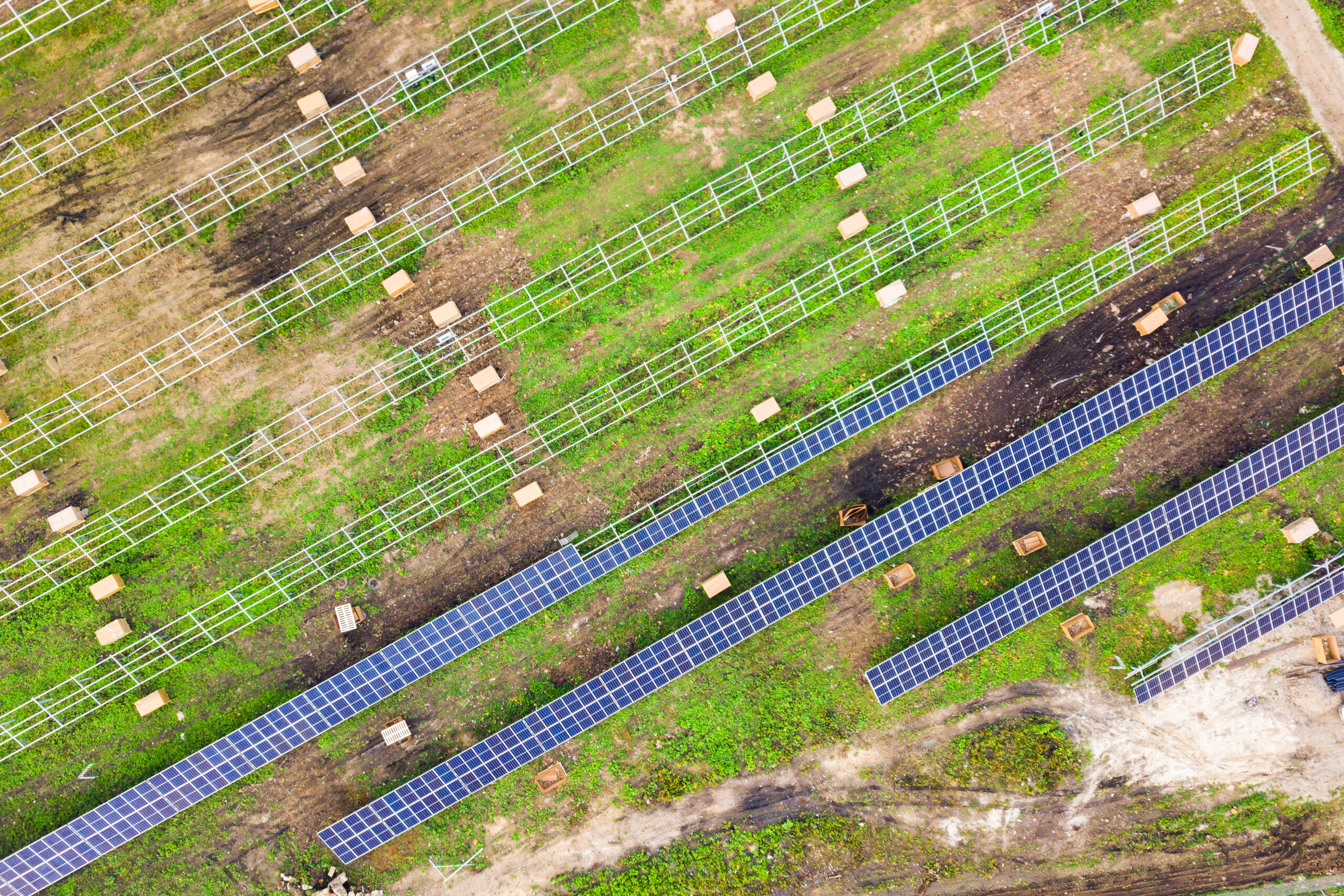
Large sites often contain substantial quantities of copper cabling and other valuable materials, while their rural locations can make detection and response more challenging than in traditional commercial environments. Construction projects can be particularly vulnerable, with materials temporarily stored on-site before installation.
As solar infrastructure expands across the UK, the opportunity for organised theft has increased alongside it.
Importantly, cable theft should not be viewed as an isolated security issue. It is often accompanied by trespass, vandalism and damage to critical infrastructure, creating broader risks to operational continuity and site resilience.
For operators, the question is no longer whether cable theft is a possibility, but whether existing security measures are sufficient to deter, detect and respond to modern threats.
The Hidden Financial Impact of Cable Theft
The true cost of cable theft is rarely limited to the stolen asset itself.
While replacement materials can represent a significant expense, the wider business impact can be far greater. Consequences may include:
- Replacing stolen cable and damaged equipment.
- Repairing related infrastructure, including fencing and access points.
- Operational downtime and interruption to energy generation.
- Lost revenue from reduced output.
- Potential contractual liabilities associated with generation shortfalls
- Increased insurance costs and future premiums.
- Recommissioning and testing costs before full operation can resume.
There is also another challenge that is frequently overlooked.
Sites that experience theft can become repeat targets. Once offenders have identified weaknesses in perimeter security, surveillance coverage or response procedures, they may return to exploit those vulnerabilities again. This makes proactive security planning critical for long-term protection.
Why Are Solar Farms Particularly Vulnerable?
The rise in theft across the sector reflects a combination of environmental, operational and economic factors.
Remote Locations
Many solar farms are intentionally situated in rural or isolated areas where land is available and exposure to sunlight is maximised. While operationally beneficial, these locations can provide criminals with greater opportunities to access and leave sites undetected.
Large Open-Site Layouts
Solar farms often cover vast areas, creating challenges in maintaining visibility across every section of the perimeter. Without integrated detection systems and surveillance, vulnerabilities can emerge.
High Value Assets
In addition to solar panels and associated equipment, copper cabling remains one of the most sought-after materials due to its resale value and continuing market demand. During construction and expansion phases, materials may be particularly exposed.
Security arrangements that have not evolved with the site
Changes in asset value, local crime patterns, site layouts or response capability can alter a site’s risk profile over time. Security measures should therefore be periodically reviewed to ensure they remain proportionate to the current threat.
Regular review and appropriate investment in solar farm security can help ensure that protection continues to reflect the changing risks facing the site, supporting both asset protection and operational resilience.
What the New National Guidance Means for Solar Farm Security
In July 2026, the industry received new guidance through the publication of the Secured by Design Solar Farm Guide.
Developed through collaboration between policing organisations, government bodies and renewable energy sector stakeholders, the guide establishes a risk-based framework for improving security across solar developments.
The significance of the guidance extends beyond physical security measures.
Its core message is that security should be considered throughout the entire lifecycle of a solar farm, from planning and design through to construction, operation and maintenance. By integrating security into decision-making at every stage, operators can significantly reduce vulnerabilities and improve resilience against threats such as cable theft.
The principles set out in the new guidance reinforce the risk-led approach FRG takes to developing integrated solar farm security solutions.
Building an Effective Defence Against Cable Theft
Preventing cable theft requires more than securing the perimeter. The Secured by Design guidance recommends reducing the accessibility of the cable itself while combining physical protection with detection, monitoring and response.
Where practicable, cable and earthing routes can be buried, concealed or enclosed within protective systems, while exposed runs and unnecessary external joints should be minimised. Particular attention should be given to earthing conductors, terminations and other accessible points because of their exposure and copper value
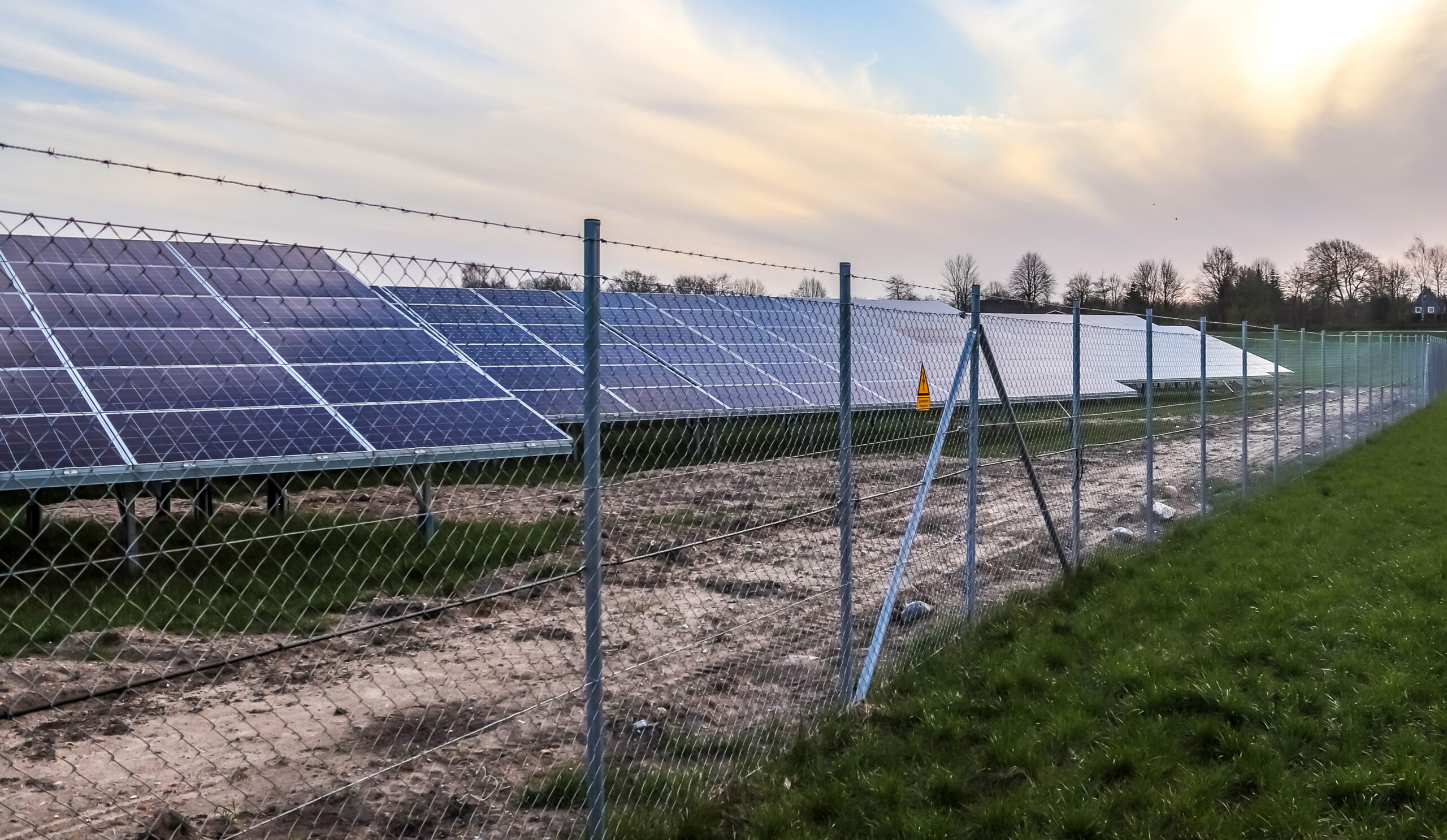
Detection should then support those physical measures. Perimeter intrusion detection, monitored video surveillance and appropriate alarm systems can help identify unauthorised activity.
Security arrangements also need a defined response. Monitoring has limited value if a verified incident cannot be escalated quickly to an appropriate responder who understands the site, its access arrangements and the location of vulnerable assets.
At First Response Group, solutions can include:
- Security officers and mobile patrols providing a visible deterrent and rapid on-site response capability.
- Advanced CCTV surveillance systems delivering monitored surveillance across key areas of the site, evidence capture and real-time monitoring.
- Perimeter intrusion detection systems that generate immediate alerts when unauthorised access is attempted.
- Access control and ANPR technology to manage vehicle and personnel movements securely.
- 24/7 remote monitoring services that assess incidents as they occur and initiate appropriate response procedures.
- FRG Tremors seismic sensors that detect cable interference.
- Integrated security programmes designed to address vulnerabilities during planning, construction and operational phases.
Construction can present a particular risk. Before installation, large quantities of cable may be stored on site in drums or coils, creating a concentrated and potentially accessible target. The guidance recommends secure storage, appropriate surveillance and careful management of delivery timings to reduce that exposure.
Looking Ahead
The UK’s solar capacity is expected to grow significantly in support of the Clean Power 2030 Action Plan. As this expansion continues, security will become an increasingly important component of asset management and operational resilience.
Cable theft is only one aspect of a wider challenge facing renewable energy infrastructure. Operators that take a proactive, risk-led approach to security will be better positioned to protect revenue, maintain site performance and support the long-term reliability of the UK’s renewable energy network.
At First Response Group, we use the latest industry guidance and security expertise to develop tailored solutions that address the specific risks facing each site. Through detailed assessments, integrated technologies and professional security services, we help solar farm operators strengthen resilience and reduce exposure to costly security incidents.
To discuss your requirements, contact the First Response Group team today.

Article By: